


📌 An Introduction to PVC
Polyvinyl Chloride (PVC) is the world’s third most widely used polymer after polyethylene and polypropylene, with over 40 million tons produced annually. Commonly referred to as “vinyl,” its unique combination of properties—appropriate price, high durability, and ease of processing—has made it one of the most valuable products of the petrochemical industry. It has particularly replaced traditional materials like wood, cement, and clay in the construction industry, with roughly 50% of globally produced PVC being used in this sector.
🔬 History of Discovery and Development
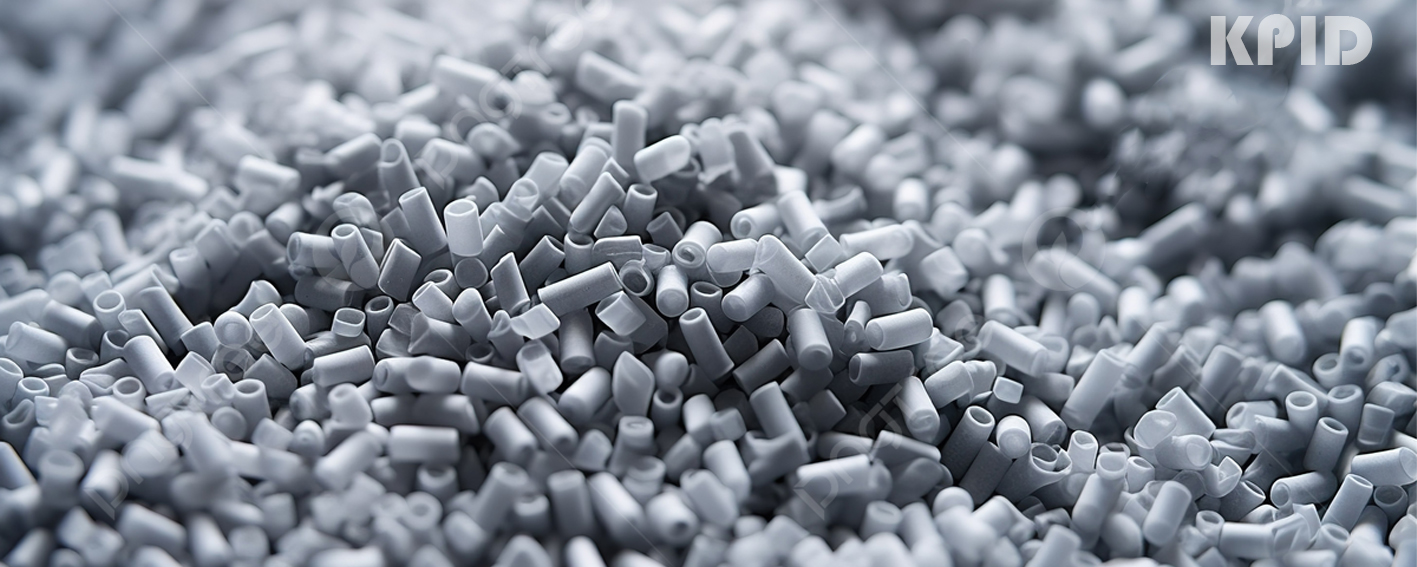
PVC was first discovered accidentally in 1872 by the German chemist Eugen Baumann. He observed that vinyl chloride monomer, after sitting on a shelf away from sunlight, had turned into a white solid. However, due to the polymer’s hardness and brittleness, early attempts to commercialize it in the early 20th century failed. A pivotal point in PVC’s development came in 1926 when Waldo Semon and the B.F. Goodrich Company invented a method to plasticize it by mixing PVC with various additives, paving the way for its widespread use.
⚗️ PVC Production Methods
The overall production process for PVC begins with two main raw materials: salt (a source of chlorine) and oil or natural gas (a source of ethylene). This process involves several stages:
- Production of Vinyl Chloride Monomer (VCM): First, ethylene and chlorine react to produce Ethylene Dichloride (EDC). The EDC is then decomposed in an oxygen-free thermal process (pyrolysis) to convert it into Vinyl Chloride Monomer (VCM).
- Polymerization: In this stage, VCM molecules are linked together in a reactor in the presence of a catalyst to form PVC polymer chains. This process is primarily carried out through three main methods:
- Suspension Polymerization (80% of production): The most common method, producing fine PVC particles with a size of 100–180 micrometers.
- Emulsion Polymerization (12% of production): This method produces much finer particles, around 0.2 micrometers, suitable for specific applications.
- Bulk Polymerization (8% of production).
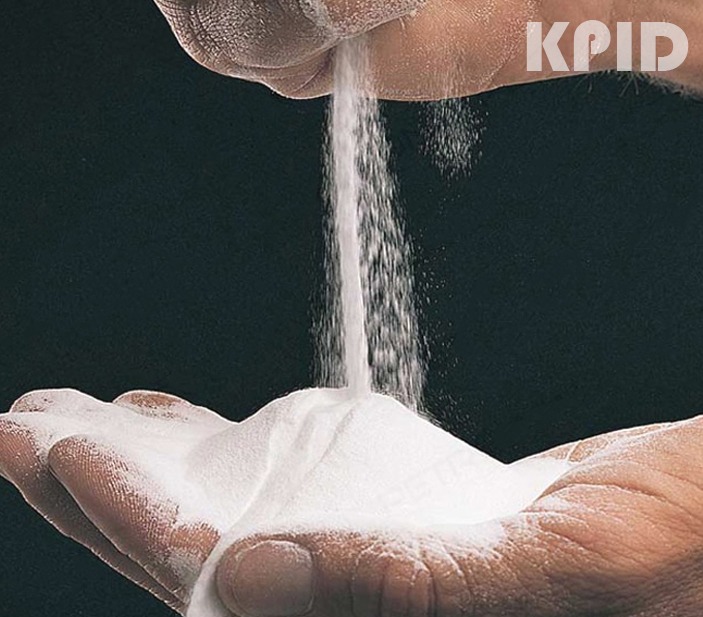
The final product of this stage is a white powder called PVC resin, which requires the addition of various substances to be converted into a final product.
📂 Types of PVC and Essential Additives
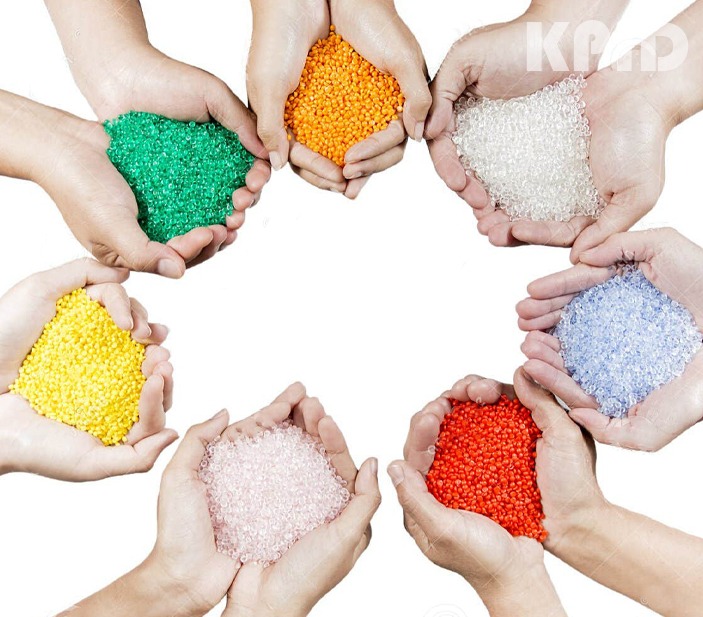
Pure PVC resin is hard and brittle. By adding substances called plasticizers, it can be transformed into a wide range of soft and flexible products. Generally, PVC exists in two main forms:
- Unplasticized PVC (UPVC or Rigid PVC): This type contains almost no plasticizer and is used to produce pipes, window and door profiles, and credit cards.
- Flexible PVC: Produced by adding plasticizers (sometimes up to 85% by weight) and used in electrical cable insulation, flooring, waterproof clothing, and flexible tubes..
Key Properties and Advantages
The reasons for PVC’s popularity and widespread use can be summarized in the following properties:
- High Durability and Strength: PVC is highly resistant to corrosion, impact, abrasion, and adverse weather conditions, with a predicted service life of over 40 years.
- Excellent Chemical Resistance: It does not react with acids, bases, oils, and many other chemicals.
- Very Good Electrical Insulation: Due to its non-conductivity, it is an ideal choice for wire and cable sheathing.
- Fire Retardant: Because of the chlorine atoms in its structure, it is difficult to ignite and will self-extinguish once the source of fire is removed.
- Cost-Effective: The production and purchase cost of PVC is lower than many similar materials like wood and metal.
- Light Weight: This feature makes transporting and installing PVC products easy and economical.
🔬 Basic Information & Applications (VCM)
Vinyl Chloride Monomer (VCM) is a colorless, highly toxic, flammable, and carcinogenic gas. Its primary application is as a raw material for the production of Polyvinyl Chloride (PVC). It is the fundamental building block of PVC, and its market is heavily influenced by the PVC market.
Production Methods:
There are two main methods for producing VCM.The conventional global method uses ethylene as a feedstock, whereas in China, acetylene is also utilized due to the availability of coal. The production process typically occurs via the intermediate Ethylene Dichloride (EDC), which undergoes “thermal cracking” in a high-temperature reactor to form VCM.
⚠️ Safety and Health Considerations
Given the nature of VCM, safety and health aspects will be very important sections of your paper.
Known Hazards:
Scientific studies have shown that exposure to high doses(over 400 mg/kg) of VCM in pregnant mice significantly increases the incidence of Neural Tube Defects (NTDs) in embryos. The mechanism of this damage involves the inhibition of neural cell proliferation and the induction of apoptosis (programmed cell death) through the activation of the caspase-3 pathway. Furthermore, studies on workers in PVC polymerization plants in the 1970s revealed that long-term exposure to VCM can cause a rare type of liver cancer called Angiosarcoma.
Hazard Control in the Industry:
Nowadays,with awareness of these hazards, all VCM production and transportation processes in Europe are conducted within fully closed systems under strict regulations. Worker exposure to this substance is continuously monitored, and no cases of occupationally-related angiosarcoma have been reported since the processes were modified.
What Sets Koroush Petrochemical Apart…
Koroush Petrochemical is the fifth VCM/PVC production unit with an annual capacity of 200,000 tons,ranking second in production capacity after the Arvand Petrochemical unit. Its technology is licensed by DOW CHEMICAL, and it possesses the highest quality of VCM produced.
The PVC unit of this petrochemical complex includes an annual production of 100,000 tons of PVC, 60,000 tons of E-PVC, and 40,000 tons of C-PVC. It is the only petrochemical company that produces C-PVC.
C-PVC (Chlorinated Polyvinyl Chloride) is made by adding more chlorine to the molecular chain of PVC, which significantly improves its thermal, mechanical, and chemical properties. The difference between C-PVC and SPVC lies in the amount of chlorine present in the PVC molecules. In SPVC, the chlorine content is approximately 56%, whereas in the molecular chain of C-PVC, the chlorine content ranges between 63% and 69%.
A comparison of the physical and chemical properties of C-PVC and PVC is as follows:
| Feature | CPVC | PVC |
| Chlorine percentage | 63 – 69% | 56% |
| Softening temperature | 110 – 125 C | 75-80 C |
| Chemical resistance | very high | average |
| Flame resistance | great | good |